Morocco blends Arab, Berber, and French influences into a culture that's warm and welcoming to visitors, but a few small courtesies go a long way toward respectful, comfortable interactions during your trip. Here's what's genuinely useful to know before you go.
Greetings and Social Norms
A simple "salam" (peace/hello) is always well received, and Moroccans generally appreciate visitors who make an effort with basic French or Arabic phrases. Handshakes are common between men; between men and women, it's polite to wait and see if a hand is offered first, especially in more traditional or rural settings.
Planning your trip? Explore our Luxury Marrakech Tours.
Dress Code
Morocco is a Muslim country with a generally relaxed but conservative dress culture in most areas outside beach resorts. Covering shoulders and knees is appreciated, especially in medinas, mosques, and rural towns — comfort and respect matter more here than strict rules.
Photography Etiquette
Always ask before photographing people, particularly in souks and rural villages, and expect that some vendors or performers (like the Jemaa el-Fna square entertainers) may ask for a small tip in exchange for a photo — it's a normal part of the local economy, not an imposition.
Bargaining in the Souks
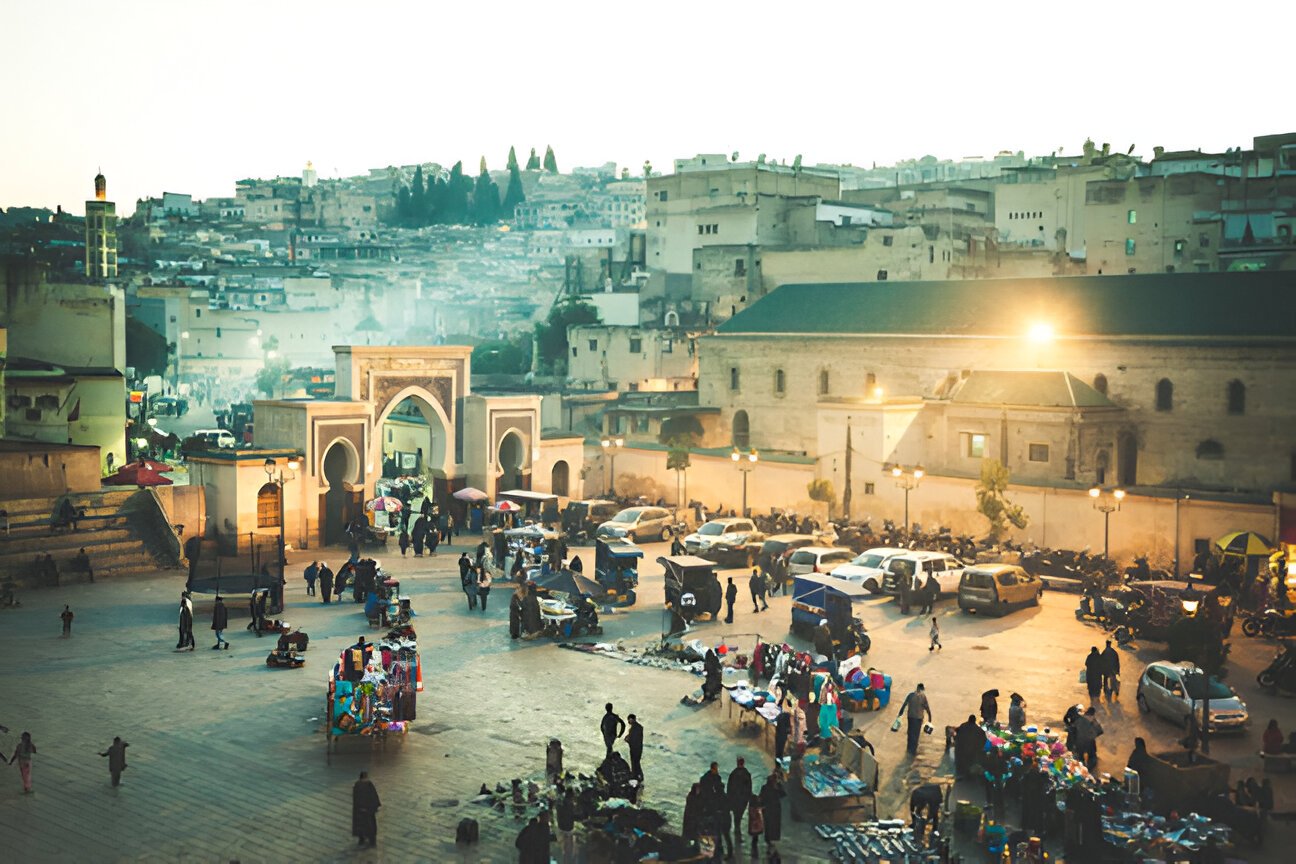
Haggling is expected and even enjoyed in souks — starting at roughly half the initial asking price and meeting somewhere in the middle is a common approach. It's a social interaction as much as a transaction, so a friendly, patient attitude gets better results than an aggressive one.
Ramadan Considerations
If traveling during Ramadan, be mindful about eating, drinking, or smoking in public during daylight hours out of respect for those fasting, though tourist restaurants generally remain open. Evenings during Ramadan (after Iftar) are especially lively, with markets and streets busy well into the night.
Religious Sites
Most mosques in Morocco are not open to non-Muslim visitors, with notable exceptions like the Hassan II Mosque in Casablanca — always check in advance rather than assuming access.
Dining Etiquette: Eating Like a Local
Many traditional dishes are shared from a single plate in the middle of the table. Eat from the section in front of you, use bread to scoop up food, and use your right hand. Wait for the host to invite you to start, and expect to be offered more than once: saying you have had plenty, with a smile and a hand on your heart, is the polite way to finish. Bread is treated with respect, so avoid throwing it away. If you want to know what to order, our guide to traditional Moroccan food covers the classics.
Visiting a Moroccan Home
Being invited for tea or a meal is a real sign of friendship. Take off your shoes if your hosts do, bring a small gift such as pastries or fruit, and greet the eldest people first. Mint tea is usually served in several rounds; accepting at least one glass is appreciated. Our Moroccan mint tea guide explains the ritual behind it.
Public Behaviour and Affection
Moroccans are warm and expressive, but public displays of affection between couples are kept discreet, especially outside the big hotels and resorts. Holding hands is generally fine; kissing in the street is best avoided. Raising your voice or showing anger in public is frowned upon: patience and good humour solve almost every situation, from a busy souk to a delayed bus.
Tipping in Morocco
Tipping is part of daily life. In restaurants, leaving around 10% is customary when service is not included, and small coins are appreciated in cafés. Porters, parking attendants, hammam staff and housekeeping usually receive a small tip, and guides and drivers on private tours are traditionally tipped at the end of the trip according to your satisfaction. Keeping a few small notes and coins makes this much easier.
A Few Useful Words in Darija
Moroccan Arabic, called Darija, is spoken everywhere, alongside Amazigh (Berber) languages and French. A few words go a long way:
- Salam alaikum: hello (literally "peace be upon you")
- Shukran: thank you
- La, shukran: no, thank you (useful in the souks)
- Bshhal?: how much?
- Smhli: excuse me / sorry
- Bslama: goodbye
- Inshallah: God willing, heard in almost every conversation about the future
Respecting Villages and Desert Communities
In Berber villages of the Atlas and in the Sahara, life follows a quieter rhythm. Dress modestly, ask before photographing people or homes, and avoid handing out sweets or money to children, which encourages begging; supporting a local cooperative or school through your guide is a better way to help. When visiting a desert camp, keep noise down at night and leave no rubbish behind. Before you go, our Morocco packing list and our article on Moroccan culture and traditions will help you prepare.
Frequently Asked Questions
Do I need to dress conservatively everywhere in Morocco?
Not strictly everywhere — beach resorts and modern hotel pools are more relaxed — but in medinas, souks, and rural areas, covering shoulders and knees is more comfortable and respectful.
Is it okay to drink alcohol in Morocco?
Alcohol is legal and available in licensed restaurants, bars, and hotels, though it's not sold or consumed openly in public spaces or during Ramadan daylight hours.
How much should I tip in Morocco?
Small tips (a few dirhams to 10% in restaurants) are customary and appreciated for guides, drivers, and service staff, though not strictly obligatory.
Is it rude to refuse mint tea when offered?
It can come across as impolite in a private or shop setting, since offering tea is a hospitality gesture — accepting even a small amount is the polite approach.
Can I use my left hand to eat or shake hands?
Traditionally the right hand is used for eating and greeting, as the left is considered less clean in Moroccan and broader Islamic custom — it's a small detail but appreciated when observed.
How do I politely decline street sellers or unofficial guides?
A smile and a firm "La, shukran" (no, thank you) while continuing to walk is usually enough. There is no need to explain or argue; staying friendly and calm works best.
Can couples hold hands in public in Morocco?
Yes, holding hands is generally fine, especially in cities and tourist areas. More intimate displays of affection are best kept private, out of respect for local customs.
Experience Morocco With Local Insight
Our guides help you navigate Moroccan culture with confidence, from souk etiquette to the best moments to visit religious and cultural sites. Let's plan your trip.
Plan Your Trip