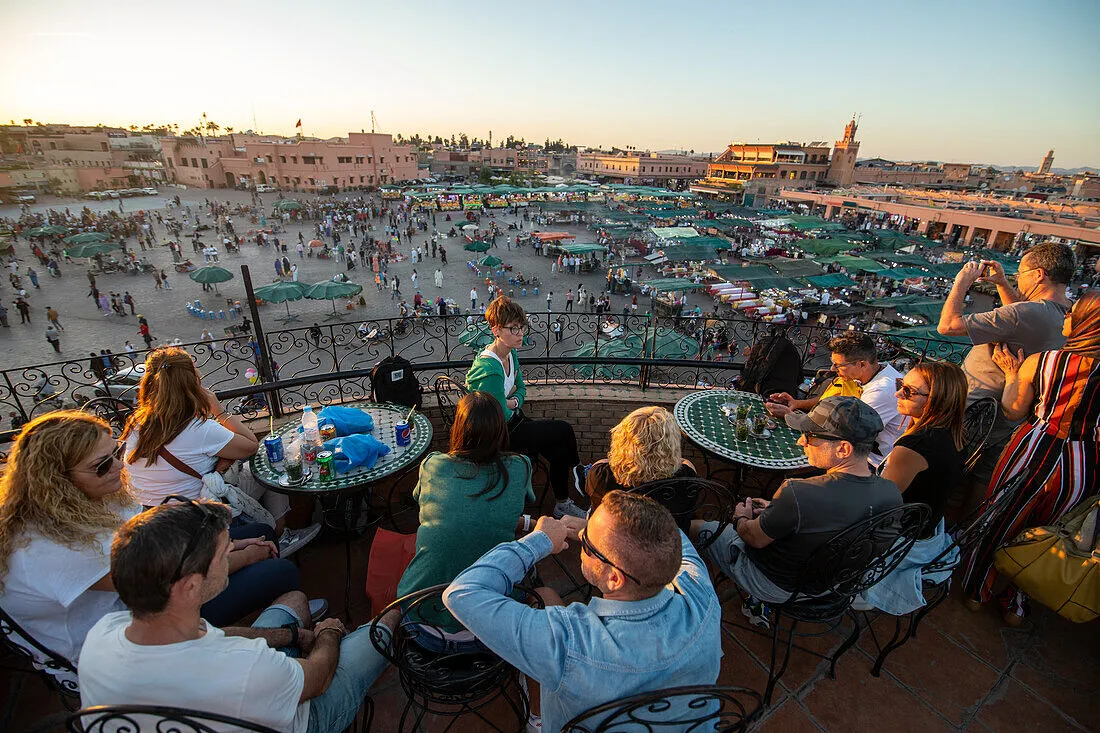
Tipping is part of daily life in Morocco. Many people in hospitality earn modest wages, and a small gesture is a normal way to say thank you.
This guide explains who to tip, when, and how to do it gracefully, so you never feel awkward or unsure.
Salaries in tourism and hospitality are often low, and tips make up a real part of income. A tip is also a sign of respect for good service.
It is a gesture, not a transaction: give what feels fair for the quality of help you received.
In a riad, staff often share tips. You can leave an envelope at the end of your stay, or give a little to the person who carried your bags or helped you most.
For a general view of local customs, see our etiquette guide.
Check the bill first: some places include service, many do not. In a café, leaving your small change is common and appreciated.
For a full meal with good service, rounding up generously is the usual habit.
Petit taxis run on the meter, and rounding up is welcome. Private guides and drivers are usually tipped at the end of the tour, depending on how the day went.
Plan your trip with our itinerary guide to see where guided days make the most difference.
A small tip is customary for people who guard shoes, park cars or offer an unrequested service you accepted. In desert camps, staff are often tipped as a team.
If you shop, read our souks guide first, and keep small coins for these moments.
No. It is a custom and a way to thank people, never a legal obligation.
Yes, cash is easiest, ideally in small notes and coins in the local currency.
Sometimes. Check the bill; if it is not included, a tip is appreciated.
Yes, usually at the end of the service, depending on your satisfaction.
You are free to tip little or nothing. A tip should reflect the service.
Let us plan a private luxury trip in Morocco, with guides and drivers you can trust.
Plan Your Trip